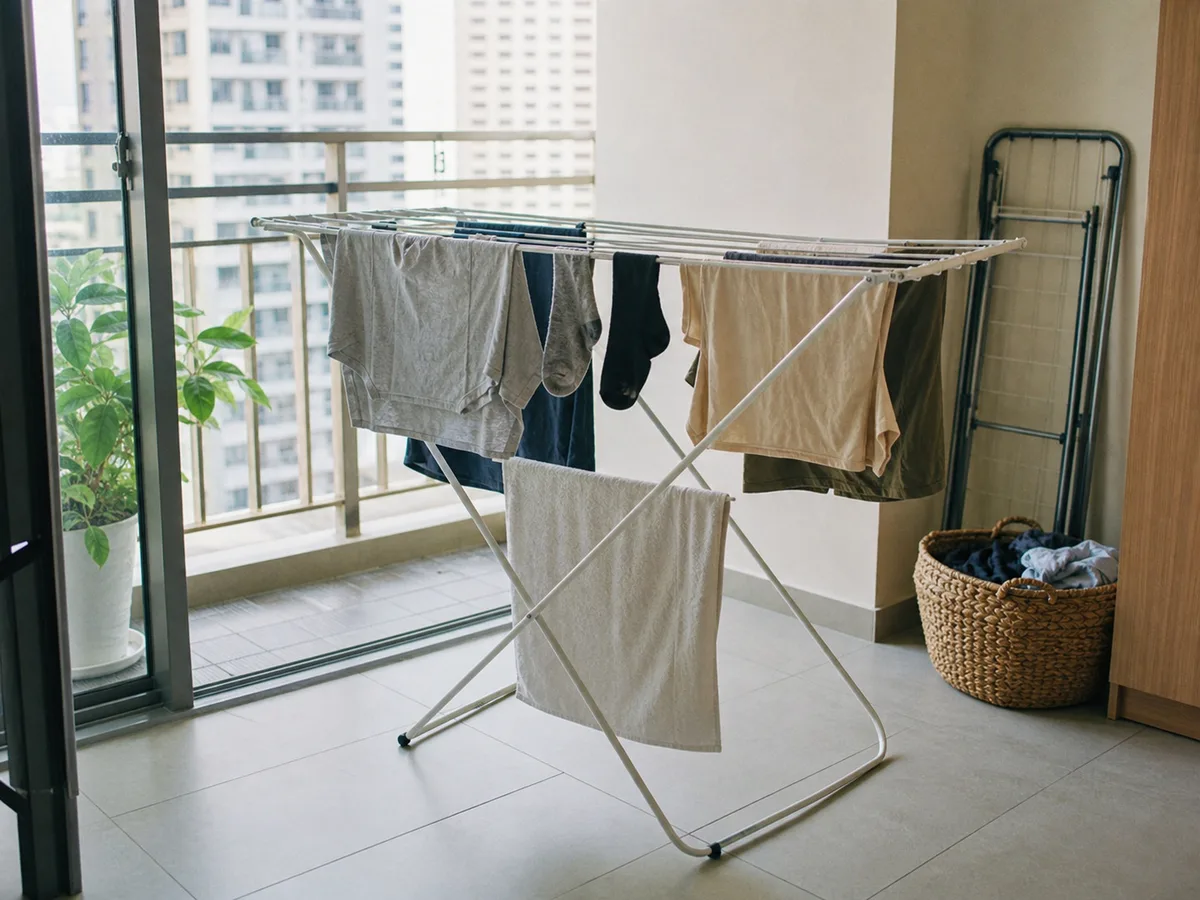
Towels dry slowly, cardboard feels soft, and the basement smells musty after rain, but carrying a full water bucket upstairs is not realistic.
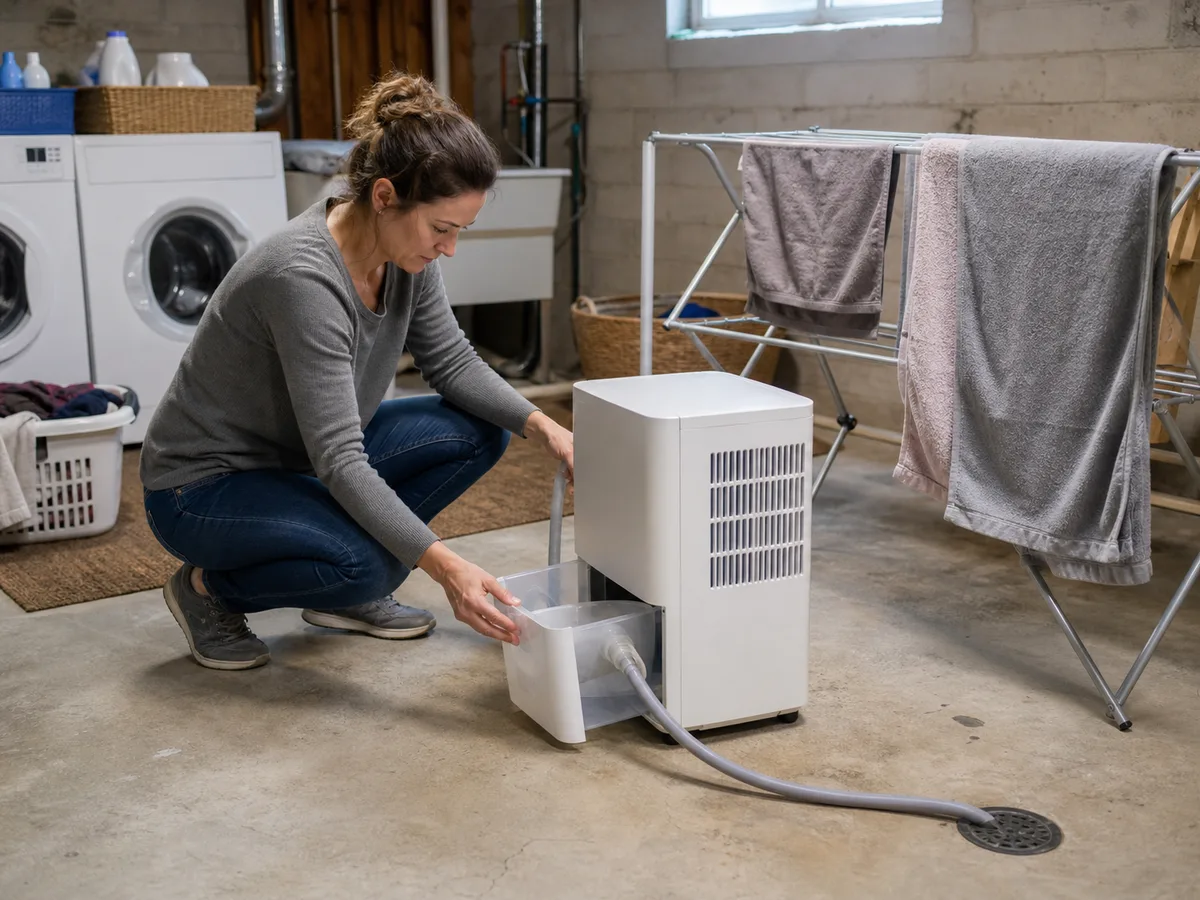
Our take: Choose capacity for the room and moisture load, then solve drainage before paying for smart features. Continuous hose drainage is the biggest quality-of-life upgrade when a safe drain is available.
Quick Picks by Household Need
Use these product types as a starting point. The right model still depends on measurements, compatibility, and the current details on the retailer or manufacturer page.
Best moderate room
Portable bucket dehumidifier
- Best for
- Occasional dampness and nearby daily access
- Tradeoff
- Requires regular emptying
Best continuous use
Dehumidifier with gravity drain
- Best for
- Basements with a lower drain
- Tradeoff
- Hose routing and slope must be reliable
Best difficult drainage
Unit with built-in pump
- Best for
- Rooms where water must travel upward
- Tradeoff
- Pump adds noise, cost, and another failure point
Comparison at a Glance
| Option | Best fit | Main compromise |
|---|---|---|
| Portable bucket dehumidifier | Occasional dampness and nearby daily access | Requires regular emptying |
| Dehumidifier with gravity drain | Basements with a lower drain | Hose routing and slope must be reliable |
| Unit with built-in pump | Rooms where water must travel upward | Pump adds noise, cost, and another failure point |
What to Look For
Fit and placement
Allow airflow clearance and plan a level, accessible drain route.
Everyday performance
Match capacity to temperature, square footage, and moisture source.
Upkeep and durability
Check filter access, bucket handling, hose connection, and coil cleaning.
Total cost and flexibility
Include energy use, pump or hose parts, and warranty service.
Buying Advice for Real Homes
Begin with the basement laundry room rather than the product page. Measure the available space, note nearby outlets or storage, and walk through the moment when you would actually use the a dehumidifier. A feature is valuable only when it removes friction from that routine.
Compare the three product types above by the compromise you can live with. Check the current dimensions, included accessories, warranty, return window, and care instructions on the manufacturer or retailer page before ordering; those details can change and often matter more than a long feature list.
When possible, test the decision with what you already own: mark the footprint with tape, notice the room's normal noise level, and identify who will clean, charge, store, or adjust the a dehumidifier. Buying for the least convenient day usually leads to a better long-term fit.
Mistakes Worth Avoiding
- Sizing only by square footage
- Running a gravity hose uphill
- Setting humidity unnecessarily low
- Ignoring the source of water intrusion
How We Build This Guidance
We map the purchase to realistic rooms and routines, review the product category’s published specifications, identify compatibility and maintenance questions, and explain tradeoffs without manufacturing scores or personal experience. Product availability and features change, so verify current details before buying.
Frequently Asked Questions
What humidity should I target?
Many homes aim for a moderate range, but climate, building materials, and health guidance may differ.
Will it fix a wet basement?
No; leaks, drainage, and structural moisture sources need correction.
Do dehumidifiers warm a room?
They commonly release some heat while operating, which can be noticeable in a small space.