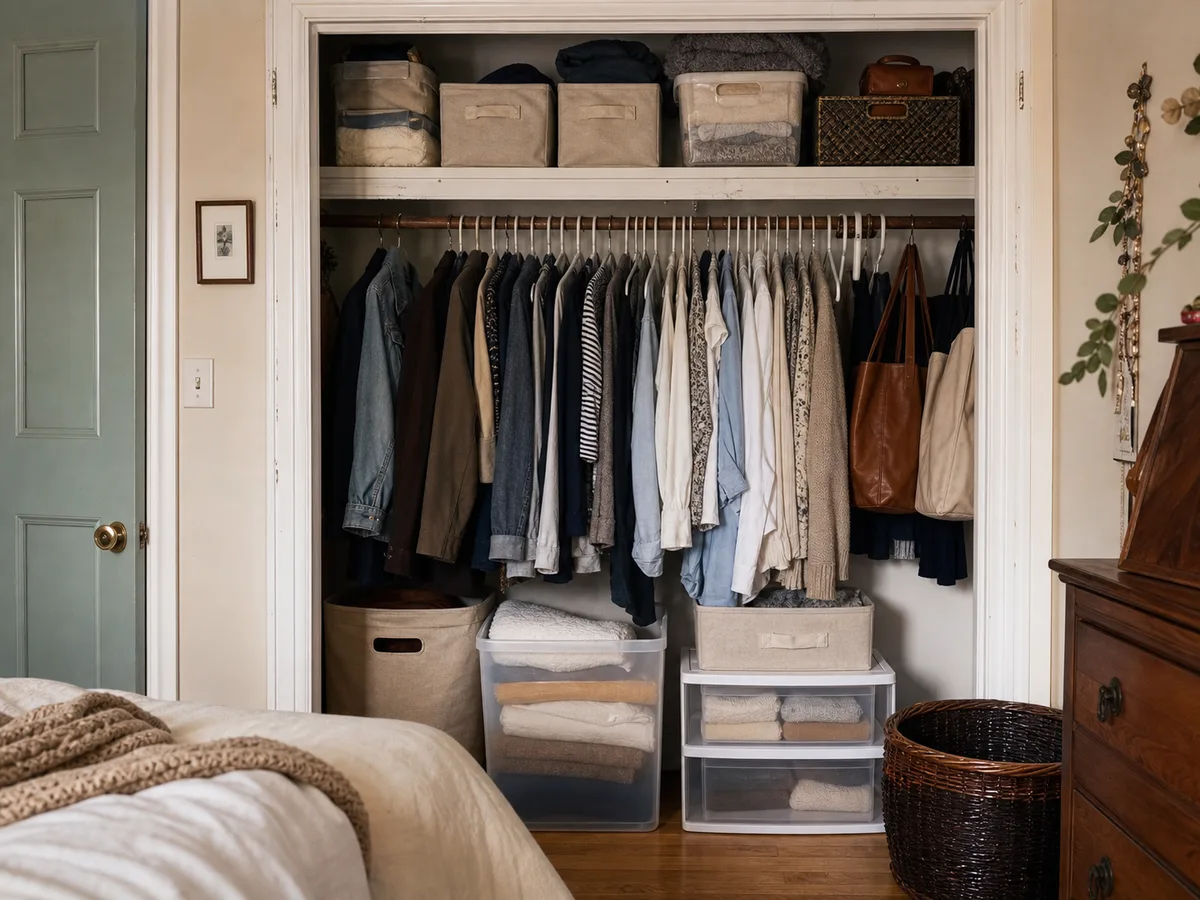
Work shirts wrinkle in a crowded closet, there is no space to leave an ironing board open, and the goal is a quick touch-up before leaving home.
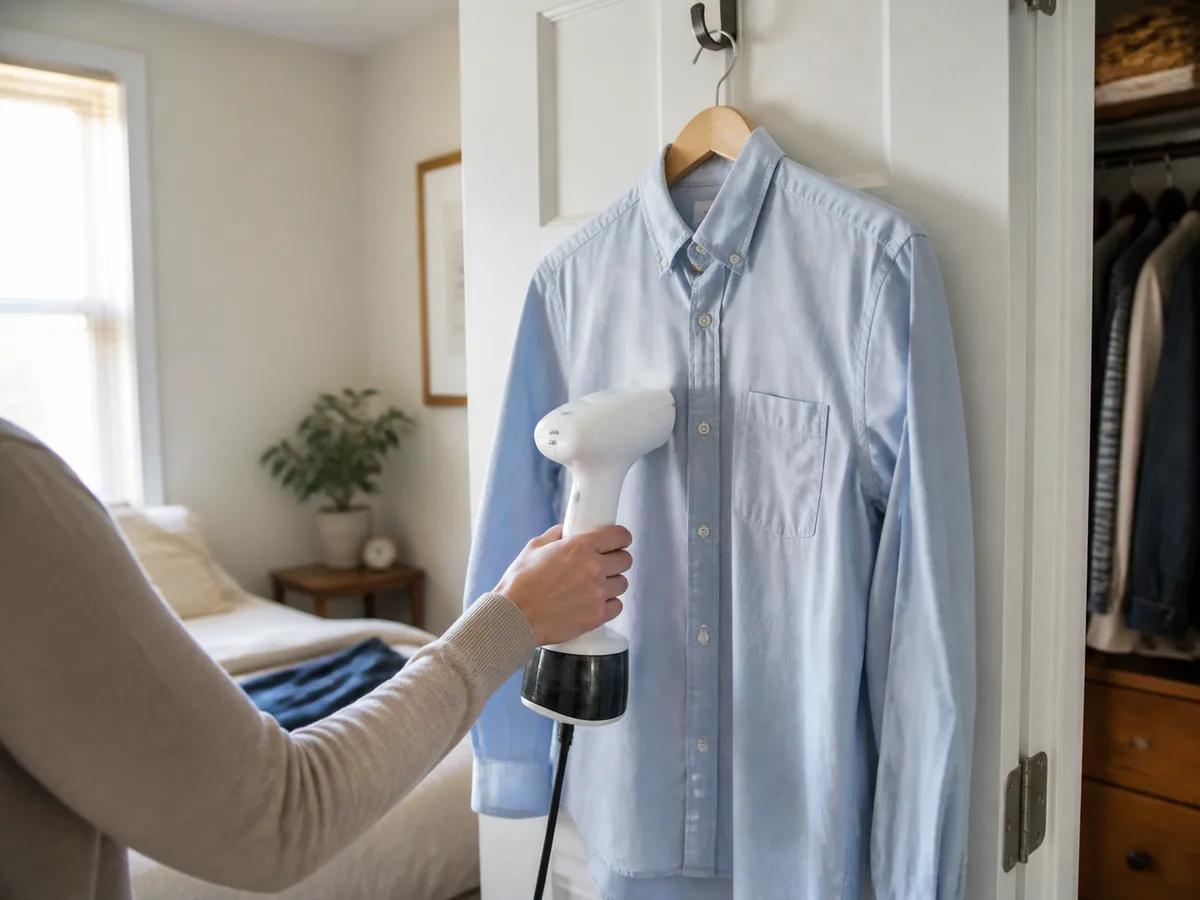
Our take: A compact handheld steamer is the best match for occasional shirts and dresses. Choose a standing unit only when several garments are steamed at once and there is a permanent place for the base and pole.
Quick Picks by Household Need
Use these product types as a starting point. The right model still depends on measurements, compatibility, and the current details on the retailer or manufacturer page.
Best quick touch-up
Compact handheld steamer
- Best for
- One or two garments before work
- Tradeoff
- Small tank needs more frequent refilling
Best weekly batch
Large-tank handheld steamer
- Best for
- Several outfits with limited floor space
- Tradeoff
- Heavier when full and slower to store cool
Best frequent use
Standing garment steamer
- Best for
- Families, wardrobes, and longer sessions
- Tradeoff
- Needs permanent floor and storage room
Comparison at a Glance
| Option | Best fit | Main compromise |
|---|---|---|
| Compact handheld steamer | One or two garments before work | Small tank needs more frequent refilling |
| Large-tank handheld steamer | Several outfits with limited floor space | Heavier when full and slower to store cool |
| Standing garment steamer | Families, wardrobes, and longer sessions | Needs permanent floor and storage room |
What to Look For
Fit and placement
Map the hanging location, outlet reach, cord path, safe hot-head rest, and space needed to let the unit cool.
Everyday performance
Compare usable steam duration, orientation limits, tank visibility, and how consistently the head delivers steam.
Upkeep and durability
Check whether the tank drains fully and how the maker recommends handling mineral buildup and distilled water.
Total cost and flexibility
Include heat gloves, fabric attachments, replacement parts, warranty terms, and the value of a larger tank.
Buying Advice for Real Homes
Begin with the small apartment bedroom rather than the product page. Measure the available space, note nearby outlets or storage, and walk through the moment when you would actually use the a garment steamer. A feature is valuable only when it removes friction from that routine.
Compare the three product types above by the compromise you can live with. Check the current dimensions, included accessories, warranty, return window, and care instructions on the manufacturer or retailer page before ordering; those details can change and often matter more than a long feature list.
When possible, test the decision with what you already own: mark the footprint with tape, notice the room's normal noise level, and identify who will clean, charge, store, or adjust the a garment steamer. Buying for the least convenient day usually leads to a better long-term fit.
Mistakes Worth Avoiding
- Steaming fabric without checking its care label
- Tilting a model that is designed for upright use
- Storing the unit with water inside
- Buying a standing steamer without a permanent home
How We Build This Guidance
We map the purchase to realistic rooms and routines, review the product category’s published specifications, identify compatibility and maintenance questions, and explain tradeoffs without manufacturing scores or personal experience. Product availability and features change, so verify current details before buying.
Frequently Asked Questions
Can a steamer replace an iron?
It works well for many hanging garments and light wrinkles, while crisp collars, seams, and pressed finishes still favor an iron.
Is tap water acceptable?
Follow the current manual because mineral tolerance varies; the cleaning routine matters especially in hard-water areas.
How large should the tank be?
Choose enough for a normal session without making the full steamer uncomfortable to hold or difficult to empty.