A practical guide for first-time buyers
How to Choose a Robot Vacuum
Choose a robot vacuum by floor type, physical fit and the chores you want automated. Check rug handling, brush care and dock access first; then set a budget that includes replacement supplies.
Prefer to browse the full shortlist?Top 10 Best Robot Vacuums of 2026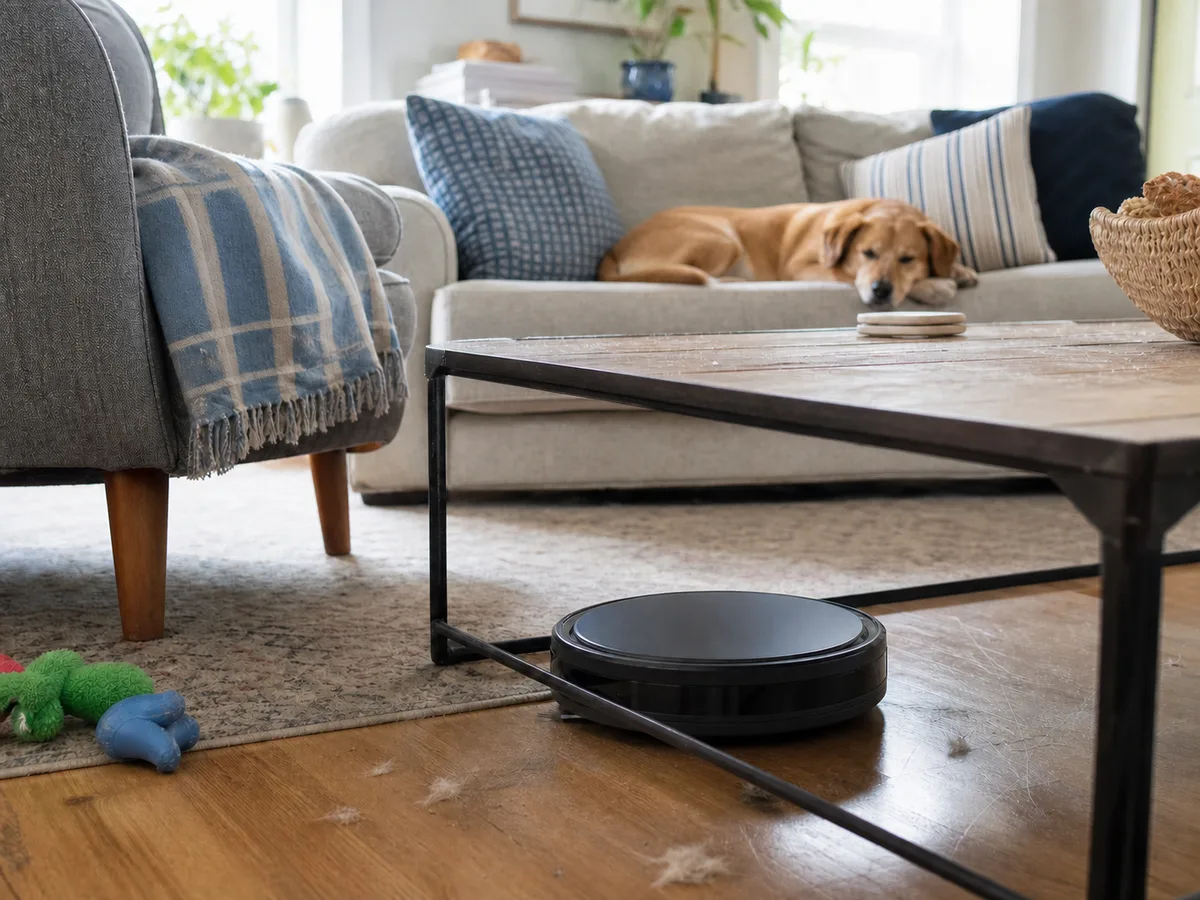
A starting point for your home
Choose for the problem you want to solve.
These examples connect published features to three household needs. They are editorial starting points, not hands-on test winners.
Pet hair on hard floors
Why consider it: Its published DuoSpiral anti-tangle brushes and HydroJet roller make it a starting point for hair pickup plus routine hard-floor mopping.
When to reconsider: Skip this starting point if you mainly need carpet cleaning. Roller and dirty-water-tank cleaning remain part of ownership; anti-tangle does not mean maintenance-free.
See the care taskseufy US: Omni E25 product features and care FAQ. Checked .
Hard floors and rugs
Why consider it: Automatic mop removal offers a way to separate vacuum-only carpet cleaning from hard-floor mopping. Check rug routes, pile and the relevant app settings.
When to reconsider: Mop removal is not evidence of better carpet pickup. Skip this starting point if your rugs or thresholds are unsupported; the tank-based bundle still needs water handling.
Check rug and mop handlingRoborock US: Saros 10R mop removal and dock information. Checked .
Low sofas and cabinets
Why consider it: Its published 79.8 mm / about 3.14 in height with the sensor retracted makes it worth comparing when low furniture is the constraint.
When to reconsider: Do not assume it fits a gap exactly 79.8 mm high. Measure the full route, allow extra clearance and check when the sensor retracts. Compare the other slim models below.
Compare published heightsRoborock US: Qrevo CurvX RetractSense information. Checked .
A feature-check date is separate from a price refresh. See each model’s current offer and availability on the product shortlist; its offers were last checked .
01 / Your personal shortlist
Find the one for your home.
Your floors. Your routine. Your budget.
Seven quick choices to your closest 3–5 picks.
The finder needs JavaScript. You can also compare all current picks or keep reading the guide below.
Chosen around your answers
Your shortlist
Only a few products are currently available from this shortlist. We’ll show every available option and the differences from your answers.
These are affiliate links to Amazon through PartnerBoost. We may earn a commission at no extra cost to you. Product fit determines the order; commissions do not. How this works.
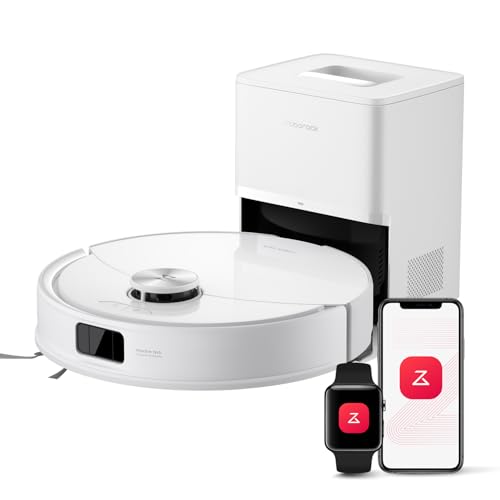 Roborock · Q10 S5+
Roborock Q10 S5+ — Auto-Empty, Sonic Mopping
Roborock
Published features
- Sonic mopping adds floor care to everyday vacuuming.
- LiDAR mapping helps organize cleaning across your home.
- Auto-emptying offers convenience at a more accessible price.
Show moreShow less

Why this model is in the shortlist
PartnerBoost’s US feed reported 2,000+ bought in past month on 2026-10-17. This is a rounded purchase indicator, not our sales count or a cleaning test. Feature tags were reviewed 2026-10-17.
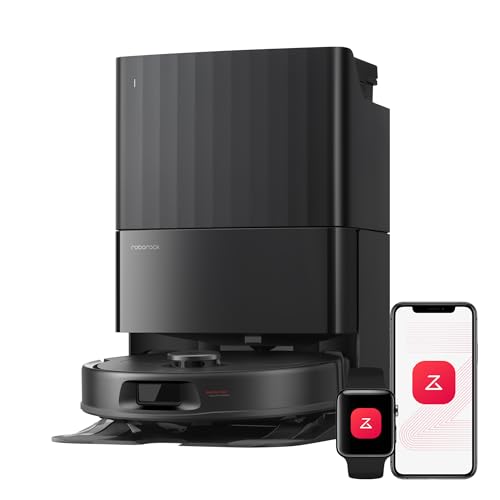 Roborock · Qrevo S Pro
Roborock Qrevo S Pro — Heated Mop Washing
Roborock
Published features
- Heated mop washing helps simplify care after cleaning.
- Automatic emptying and refilling reduce repeated household chores.
- An all-in-one dock provides convenience at a midrange price.
Show moreShow less
Why this model is in the shortlist
PartnerBoost’s US feed reported 10,000+ bought in past month on 2026-10-17. This is a rounded purchase indicator, not our sales count or a cleaning test. Feature tags were reviewed 2026-10-17.
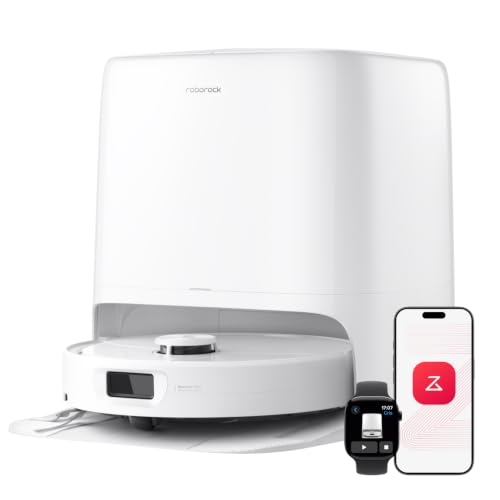 Roborock · Qrevo 2 Pro
Roborock Qrevo 2 Pro — Detachable Spinning Mops
Roborock
Published features
- Dual anti-tangle cleaning helps manage hair during vacuuming.
- Spinning mops detach automatically for more flexible cleaning.
- An all-in-one station simplifies regular mop and dust care.
Show moreShow less
Why this model is in the shortlist
PartnerBoost’s US feed reported 5,000+ bought in past month on 2026-10-17. This is a rounded purchase indicator, not our sales count or a cleaning test. Feature tags were reviewed 2026-10-17.
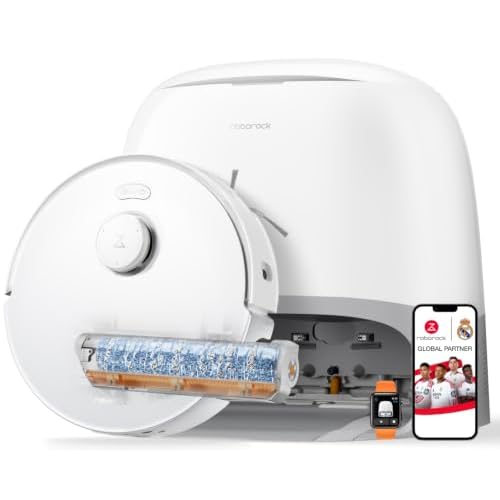 Roborock · Qrevo Curv 2 Flow
Roborock Qrevo Curv 2 Flow — SpiraFlow Roller Mop
Roborock
Published features
- SpiraFlow washes the roller continuously during floor cleaning.
- Roller lifting and carpet protection support mixed-floor routines.
- A self-cleaning roller adds convenience to hard-floor care.
Show moreShow less
Why this model is in the shortlist
PartnerBoost’s US feed reported 1,000+ bought in past month on 2026-10-17. This is a rounded purchase indicator, not our sales count or a cleaning test. Feature tags were reviewed 2026-10-17.
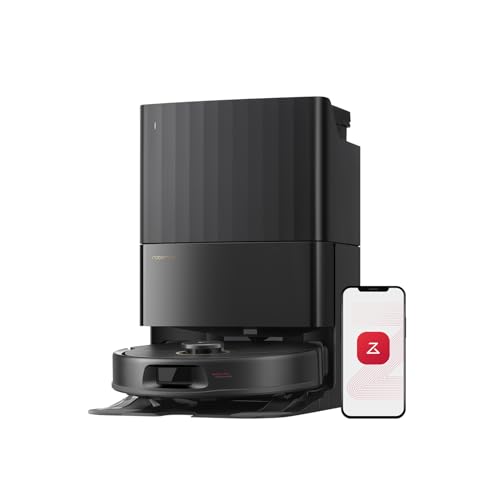 Roborock · Qrevo S5V
Roborock Qrevo S5V — FlexiArm Edge Mopping
Roborock
Published features
- FlexiArm extends the mop to clean closer to edges.
- An automated dock handles washing, drying and dust emptying.
- Water refilling reduces another task between routine cleaning runs.
Show moreShow less
Why this model is in the shortlist
PartnerBoost’s US feed reported 700+ bought in past month on 2026-10-17. This is a rounded purchase indicator, not our sales count or a cleaning test. Feature tags were reviewed 2026-10-17.
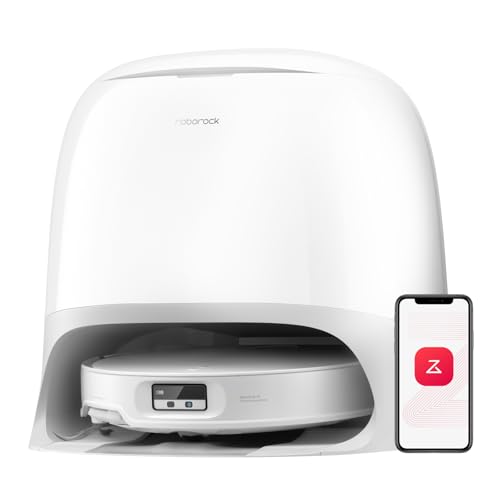 Roborock · Qrevo CurvX
Roborock Qrevo CurvX — Slim Design, Liftable Chassis
Roborock
Published features
- Slim body and retractable LiDAR reach lower furniture.
- Anti-tangle cleaning and a liftable chassis add versatility.
- Hot mop washing and RGB sensing simplify upkeep.
Show moreShow less
Why this model is in the shortlist
PartnerBoost’s US feed reported 800+ bought in past month on 2026-10-17. This is a rounded purchase indicator, not our sales count or a cleaning test. Feature tags were reviewed 2026-10-17.
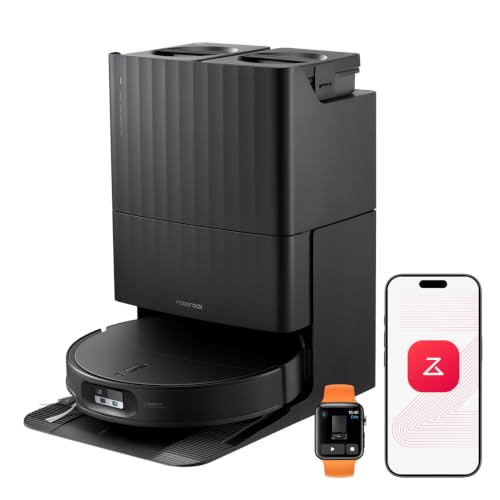 Roborock · Qrevo Edge 2
Roborock Qrevo Edge 2 — Slim Body, FlexiArm
Roborock
Published features
- Dual anti-tangle cleaning helps manage hair during vacuuming.
- A slim body reaches more space beneath furniture.
- FlexiArm edge cleaning and Reactive AI guide floor coverage.
Show moreShow less
Why this model is in the shortlist
PartnerBoost’s US feed reported 600+ bought in past month on 2026-10-17. This is a rounded purchase indicator, not our sales count or a cleaning test. Feature tags were reviewed 2026-10-17.
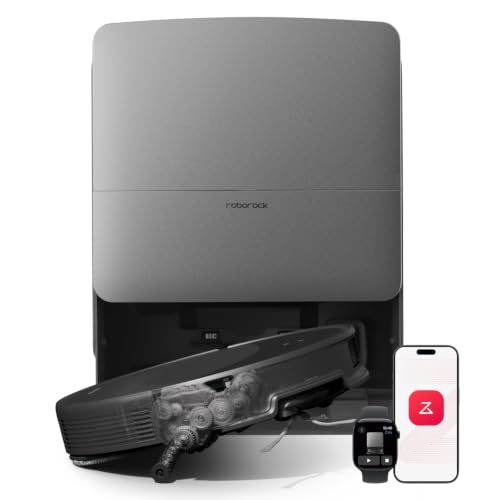 Roborock · Saros 20
Roborock Saros 20 — StarSight, AdaptiLift 3.0
Roborock
Published features
- StarSight navigation supports cleaning through complex home layouts.
- AdaptiLift chassis adds flexibility around thresholds and flooring.
- An upgraded RockDock automates routine floor-care maintenance tasks.
Show moreShow less
Why this model is in the shortlist
PartnerBoost’s US feed reported 1,000+ bought in past month on 2026-10-17. This is a rounded purchase indicator, not our sales count or a cleaning test. Feature tags were reviewed 2026-10-17.
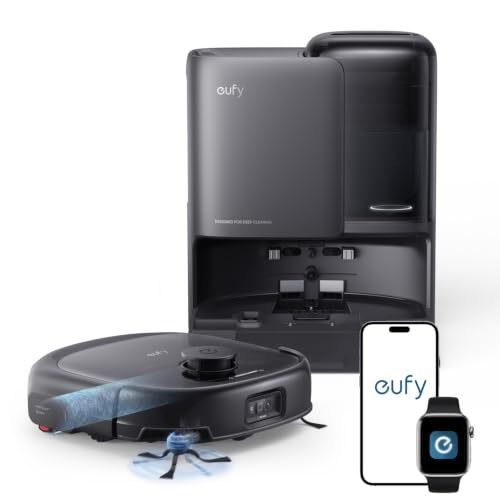 eufy · Omni E25
eufy Omni E25 — HydroJet Roller, Anti-Tangle Brushes
eufy
Published features
- HydroJet continuously washes the roller during floor cleaning.
- DuoSpiral anti-tangle brushes help manage hair during cleaning.
- Automatic emptying and mop care reduce daily chores.
Show moreShow less
Why this model is in the shortlist
PartnerBoost’s US feed reported 3,000+ bought in past month on 2026-10-17. This is a rounded purchase indicator, not our sales count or a cleaning test. Feature tags were reviewed 2026-10-17.
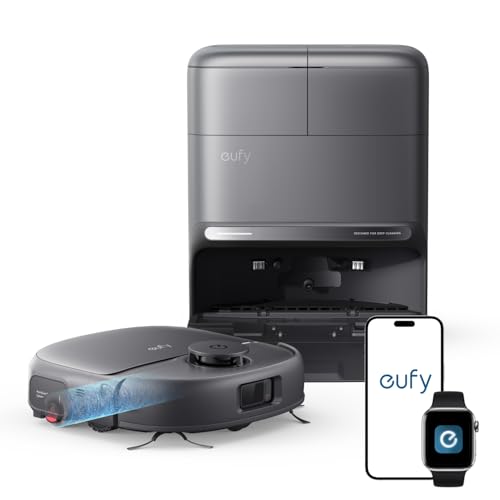 eufy · Omni C28
eufy Omni C28 — HydroJet Hard-Floor Cleaning
eufy
Published features
- HydroJet roller cleaning suits everyday hard-floor cleaning routines.
- A five-in-one station handles dust and routine mop care.
- Automated washing and drying help reduce daily maintenance.
Show moreShow less
Why this model is in the shortlist
PartnerBoost’s US feed reported 2,000+ bought in past month on 2026-10-17. This is a rounded purchase indicator, not our sales count or a cleaning test. Feature tags were reviewed 2026-10-17.
Based on published features, not hands-on testing. Prices and availability can change at Amazon. Measure your furniture gap with room to spare and check the exact dock dimensions before buying.
How we match your answers
We start with selected, popular robot vacuums from our approved US partner brands. We show exact matches first. If fewer than three products meet all your requirements, we add the closest available alternatives to give you three options. Each alternative clearly lists the differences, including any extra cost or missing feature. Physical fit, budget and requested features determine how close an option is; purchase indicators help order otherwise similar choices. We never fill the list with products that are unavailable or have inactive links.
The shortlist does not cover every robot vacuum. Its purchase indicators were checked October 17, 2026; current prices, stock and active affiliate links come from the site’s regularly updated offer catalog. Basic mapping alone does not count as small-object recognition. Anti-tangle features do not remove the need to clear the floor and clean the brushes.
02 / The buying guide
Know what matters before you buy.
Use the finder for a shortlist. Use this guide to understand the features, the maintenance and the compromises behind it.
Which setup fits your home?
| Your situation | Prioritize | The tradeoff |
|---|---|---|
| First robot / everyday home use | Floor compatibility, room controls and accessible brushes. | Start with dry pickup if you are happy to mop separately. More dock functions add care tasks to learn. |
| Small apartment | A dock location you can service, furniture clearance and usable routes. | Measure the station and its access space. A small home can still have rugs, tight passages and demanding hair cleanup. |
| Pets & mixed floors | Brush access, bin handling and a rug-safe mopping plan. | Self-emptying can reduce bin handling; it does not remove brush care or the need to clear pet messes. |
| Mostly hard floors | Floor-approved wet cleaning and a mop routine you can maintain. | Mop washing and drying can automate cleanup, but tank-based stations still need water handling. |
| Keeping the total cost down | The exact robot-and-dock bundle, replacement supplies and return terms. | Skip automation for chores you do not mind doing. Compare current prices rather than the discount percentage. |
Shedding is the main problem? Read the pet-hair buying guide for brush care, rugs and dock choices.
Measure before choosing
Which robot vacuums fit under low furniture?
Compare these three models’ published heights, then measure your lowest gap along the whole cleaning route. Body height is not a guaranteed minimum furniture clearance.
| Exact model | Published height | Conditions and source |
|---|---|---|
| Roborock Qrevo CurvX | 79.8 mm About 3.14 in | Height with the LiDAR sensor retracted. Its sensor rises in open spaces; check the retraction conditions along the route.Roborock US: Qrevo Curv series, CurvX section. Checked . |
| Roborock Saros 10R | 79.8 mm About 3.14 in | Published ultra-thin body height with StarSight navigation. Allow extra space for uneven floors and changes in chassis position.Roborock US: Saros 10R product information. Checked . |
| ECOVACS DEEBOT T50 PRO OMNI | 81 mm About 3.19 in | Published body height with embedded dToF LiDAR. Check the exact T50 PRO OMNI version and leave room above the body.ECOVACS US: T50 PRO OMNI specifications. Checked . |
Measure at the lowest point, including sagging fabric, crossbars and rug edges. Leave a margin above the published height; there is no universal margin that guarantees passage. Measure dock footprint, approach space and tank access separately. This is a selected comparison, not a complete list or a ranking of cleaning performance.
The work that remains
What does a self-cleaning robot still need you to do?
Dust emptying, mop washing and drying automate different tasks. Use this checklist to compare the ownership routine behind each station’s feature list.
| Task | What automation can do | What you still do |
|---|---|---|
| Prepare the floor | Mapping and object recognition can help with routing; they do not remove floor preparation. | Pick up cords, small toys and pet messes before a scheduled run. |
| Handle dust | A self-emptying station transfers dust out of the onboard bin. | Check for blocked passages and manage the station bag or container. A charging-only base leaves bin emptying to you. |
| Inspect brushes and wheels | Anti-tangle designs aim to reduce wrapping around the brush. | Inspect brush ends, side brushes and wheels; remove trapped hair and replace worn parts as instructed. |
| Manage clean and dirty water | Tank-based mop-care stations may refill the robot and collect wastewater. | Refill clean water, empty and clean the dirty-water tank. Automatic robot refilling is not a household plumbing connection. |
| Clean the mop and station | Some stations wash and dry pads or rollers after cleaning. | Inspect and clean the pads or roller, tray and accessible water path according to the exact model’s instructions. |
| Care for filters, sensors and contacts | Dock automation does not replace routine component care. | Follow the model’s cleaning and replacement instructions. Wash only washable parts and let them dry as directed before reassembly. |
This is a planning checklist, not a universal service schedule. Follow the exact model’s manual and prompts; shedding, run frequency and the mess being cleaned change the care required. We have not measured maintenance time or lifetime consumable costs.
Reference basis: Roborock US: robot vacuum maintenance (checked ); eufy US: Omni E25 product features and care FAQ (checked ). Our checklist groups these tasks for comparison; it is not a hands-on test.
Seven decisions before the brand.
Start with your floors.
Walk through the rooms you want cleaned. Note hard floors, carpet, loose rugs and the places where grit or crumbs collect. A mostly carpeted home calls for a different comparison from a kitchen and living area with sealed hard floors.
Check before buying: For rugs, check pile-height guidance, fringe handling and whether the robot can reach each room. For wet cleaning, check your floor finish’s care instructions.
Choose for your most demanding floor, not your easiest room.
Plan for hair, toys and everyday clutter.
In a shedding household, look at how the main brush comes out, whether hair collects around its ends, and how easily the bin and filters can be reached. An anti-tangle label is a reason to inspect the design, not a promise that brush care disappears.
Check before buying: Look for replacement brushes and filters before buying. Pick up cords, small toys and pet messes before a scheduled run, even with obstacle-recognition features.
A brush you can clean easily is a feature you will use.
Reference: Roborock’s brush, filter and sensor care guidance.
Decide what you want mopping to do.
If you mainly want dry debris collected, a vacuum-focused model may be enough. If routine hard-floor wiping is part of the job, compare how the mop works, how water is controlled and how you will clean the pads or roller afterward.
Check before buying: With mixed floors, check whether the robot avoids rugs, lifts its mop or removes it. Verify the limits against your rug height; the words “mop lifting” alone do not settle the fit.
Compare the complete wet-cleaning routine, including cleanup.
Reference: Roborock’s model-specific mop and carpet handling.
Choose the right amount of dock automation.
A charging base, a self-emptying dock and a station that washes mops solve different chores. Make a list of what you actually want automated. Frequent bin emptying may be your main frustration; someone else may care more about washing and drying mops.
Check before buying: Read the included station’s function list. Tank-based stations still need water handling, and automated systems still need the maintenance specified in their manuals.
Buy relief from a chore you have, rather than a longer feature list.
Reference: eufy’s explanation of mop systems and station upkeep.
Measure the robot’s route and the dock’s home.
Measure the lowest furniture gap, narrow passages and the thresholds between rooms. Use the robot’s full operating height, including any raised sensor. For the dock, allow space to approach it and to open, remove and carry tanks or bags.
Check before buying: Use the exact model’s placement and clearance instructions. Check outlet access and tank access under shelves. Manufacturer threshold claims apply to stated conditions, not every step or rug edge.
A smaller footprint only helps if the whole setup fits.
Set a budget for owning it, too.
Put the purchase price beside replacement bags, filters, brushes, mops and any required cleaning solution. Check that parts are sold in your country. Read the warranty, return conditions and available service before deciding that a discount makes a model good value.
Check before buying: Confirm the exact robot and dock bundle, app requirements and care routine. Use cleaning demonstrations or measurements relevant to your floors; a suction figure alone does not tell you how a robot will work in your home.
Compare the price of the routine you are buying.
Choosing a wet-cleaning system? Compare roller, spinning-pad and vibrating mops, including rug handling and station care.
Know what is included
Three docks. Different chores.
“Self-emptying” and “self-cleaning” describe different things. Read the exact station’s function list.
| Dock type | What it does | What you still do |
|---|---|---|
| Charging baseA simpler setup, if you are comfortable with frequent hands-on care. | Charges the robot. | You empty its bin and handle any mop care. |
| Self-emptying dockFrequent dry cleaning or a small bin that fills quickly. | Charges and transfers dust out of the robot. | You manage the dock bag or container, filters and brushes. |
| Mop-care stationRegular hard-floor mopping, with space for a larger station. | May add mop washing, drying and robot water refilling. Check the exact bundle. | Tank-based models need clean-water refills, wastewater disposal and station cleaning. |
Keep the budget focused
Pay for the chores you want to hand over.
Worth paying for when you need it
- Navigation and room controls for your layout.
- Accessible brushes and parts for frequent hair cleanup.
- Dust emptying or mop care that removes a recurring chore.
- A robot and dock that fit where you will use them.
Pause before paying extra for
- Mopping functions in a mostly carpeted home.
- A large station without room to service its tanks.
- A higher headline suction figure without relevant cleaning evidence.
- A discount on a model whose parts or care routine do not suit you.
Choose the right kind of help
Robot vacuum or an alternative?
Choose a robot for recurring floor cleaning. Choose a manual tool when stairs, upholstery or targeted cleanup are the main job. Many homes need both.
Robot vacuum
Consider it for: Recurring floor pickup with less time spent pushing a vacuum.
Plan around: It needs a reachable floor route, a dock and routine care. Stairs and upholstery need another tool.
Cordless stick vacuum
Consider it for: Directed cleanup on stairs, upholstery and isolated messes, with suitable attachments.
Plan around: You do the cleaning and manage battery runtime. Check attachments and floor compatibility.
Choosing for stairs and upholsteryWet/dry floor cleaner
Consider it for: Manual vacuuming and washing on compatible sealed hard floors.
Plan around: It is a different job from dry carpet or upholstery cleaning. Check surface restrictions and post-use cleanup.
Dry sticks vs wet/dry floor cleanersOne last check
Before you choose a model.
Keep these six checks beside you while comparing listings.
Your ticks are a reading aid and are not saved.A few useful answers
Still deciding?
How much clearance does a robot vacuum need under furniture?
Measure the lowest gap along the whole route and leave room above the exact model’s full operating height. Published examples include the Qrevo CurvX at 79.8 mm with its sensor retracted, Saros 10R at 79.8 mm, and T50 PRO OMNI at 81 mm. These are body specifications, not guaranteed passage heights. Sensor position, chassis movement, rugs and uneven floors can change the fit.
How do I choose a robot vacuum for a small apartment?
Start by measuring a permanent dock location, the lowest furniture gap and the thresholds between rooms. Include approach clearance and space to lift out water tanks or replace bags. Choose a charging base if you prefer less dock equipment and accept manual bin emptying; choose more automation only if you can service the station comfortably. Floor area alone does not decide which setup fits.
What is a good starting point for a first robot vacuum?
List your floor types, measure the route and dock location, and decide whether you want dust pickup, mopping or both. Then compare room controls, brush access and the chores left after each run. Start with a setup you can maintain rather than choosing by the largest suction number or discount.
Do I need a robot vacuum that also mops?
Mopping is worth considering if you have suitable hard floors and want help with routine wet cleaning. For mostly carpeted homes, concentrate on dry pickup and brush care. Check your flooring manufacturer’s instructions before using water or cleaning solution.
Is a self-emptying robot vacuum worth it?
It can be useful when shedding or frequent cleaning fills the onboard bin quickly, or when handling that bin is inconvenient. Balance the convenience against dock space, bag or container maintenance, replacement costs and the sound of an emptying cycle.
Does self-cleaning mean I never have to clean the robot?
No. Even a station that empties dust, washes mops and dries them leaves owner tasks: floor preparation, brush and wheel inspection, filter and sensor care, station cleaning and consumable replacement. Tank-based systems also need clean-water refills and wastewater disposal. Use our six-task checklist, then follow the exact model’s manual for methods and timing.
Can a robot vacuum replace my regular vacuum?
Think of it as help with recurring floor cleaning. Stairs, furniture, corners it cannot reach and occasional deeper cleaning may still need another tool. Choose based on the cleaning work it can take off your normal routine.
How much should I spend on a robot vacuum?
Set a purchase ceiling and a separate allowance for bags, filters, brushes and mop supplies. Pay more when a feature solves a recurring problem in your home, such as frequent bin emptying or mop washing. Check current prices and the exact bundle rather than choosing from a discount percentage alone.
About this guide & sources
This is a category-level buying guide based on published manufacturer information and editorial judgment. We have not performed hands-on cleaning or reliability tests. Feature names and care requirements vary by model. The image is illustrative. Category references below were checked . New model and maintenance reference checks are dated next to those sections.
Our product shortlist contains affiliate links. If you buy through them, we may earn a commission at no extra cost to you. Read our disclosure.
These manufacturer references explain maintenance and feature differences. Our scenario recommendations are editorial judgments, not comparative test results.
- Roborock: robot vacuum maintenance
- eufy: how vacuum-and-mop robots work
- Roborock: examples of carpet and mop handling