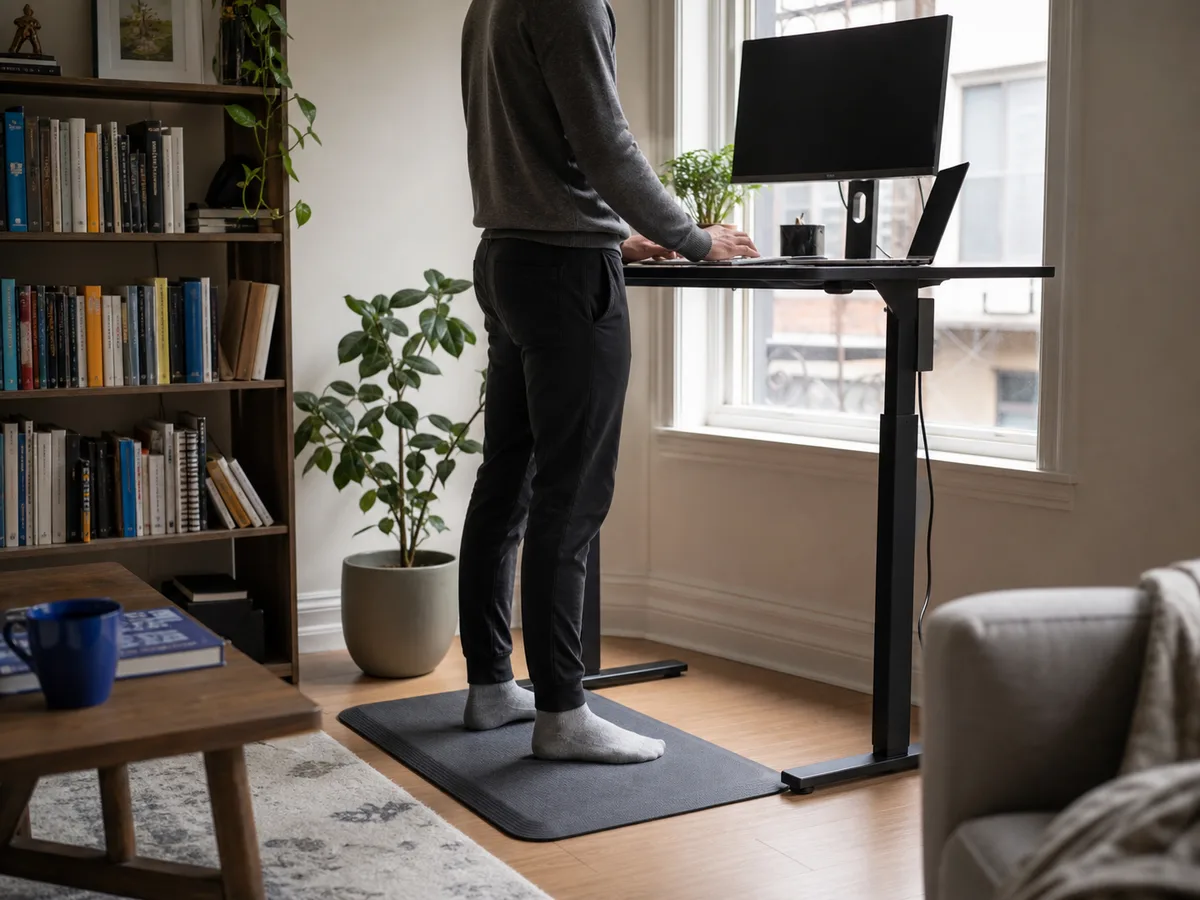
The desk sits in a bedroom corner, two people use it at different times, and broad armrests collide with drawers when the chair is tucked away.
Our take: Prioritize seat height range, usable depth, and arms that fit under the desk. A simple adjustable task chair is usually a better small-room choice than an oversized executive design.
Quick Picks by Household Need
Use these product types as a starting point. The right model still depends on measurements, compatibility, and the current details on the retailer or manufacturer page.
Best compact workday
Adjustable task chair
- Best for
- Small desks and regular computer work
- Tradeoff
- Less plush than a lounge-like chair
Best shared desk
Multi-adjustable ergonomic chair
- Best for
- Different users and longer sessions
- Tradeoff
- More controls and higher cost
Best occasional use
Armless compact chair
- Best for
- Tight corners and short sessions
- Tradeoff
- Less arm support for long work
Comparison at a Glance
| Option | Best fit | Main compromise |
|---|---|---|
| Adjustable task chair | Small desks and regular computer work | Less plush than a lounge-like chair |
| Multi-adjustable ergonomic chair | Different users and longer sessions | More controls and higher cost |
| Armless compact chair | Tight corners and short sessions | Less arm support for long work |
What to Look For
Fit and placement
Measure desk underside, drawer position, turning circle, and tucked depth.
Everyday performance
Match seat range and depth to the actual users, not a generic height label.
Upkeep and durability
Check replaceable casters, breathable surfaces, and accessible fasteners.
Total cost and flexibility
Return logistics matter because comfort is personal and boxes are large.
Buying Advice for Real Homes
Begin with the shared home office rather than the product page. Measure the available space, note nearby outlets or storage, and walk through the moment when you would actually use the a home office chair. A feature is valuable only when it removes friction from that routine.
Compare the three product types above by the compromise you can live with. Check the current dimensions, included accessories, warranty, return window, and care instructions on the manufacturer or retailer page before ordering; those details can change and often matter more than a long feature list.
When possible, test the decision with what you already own: mark the footprint with tape, notice the room's normal noise level, and identify who will clean, charge, store, or adjust the a home office chair. Buying for the least convenient day usually leads to a better long-term fit.
Mistakes Worth Avoiding
- Choosing by appearance alone
- Ignoring desk and armrest collision
- Using a seat that is too deep
- Assuming one fixed chair fits everyone
How We Build This Guidance
We map the purchase to realistic rooms and routines, review the product category’s published specifications, identify compatibility and maintenance questions, and explain tradeoffs without manufacturing scores or personal experience. Product availability and features change, so verify current details before buying.
Frequently Asked Questions
Do I need adjustable arms?
They help align with the desk and can make the chair easier to tuck away.
Is mesh always cooler?
Often, but weave, clothing, room temperature, and support design affect comfort.
Can a compact chair support full workdays?
Yes if its adjustments fit the user; compact should describe footprint, not missing fundamentals.