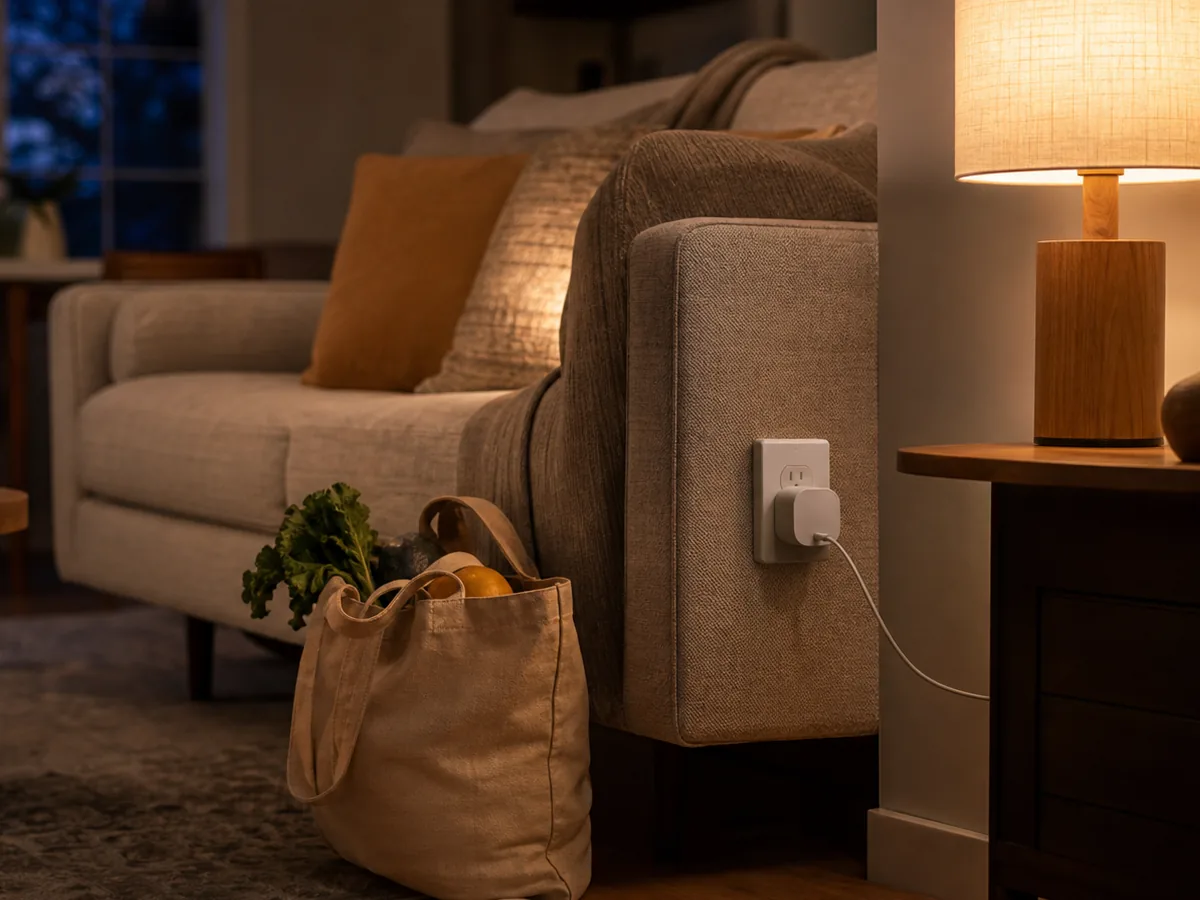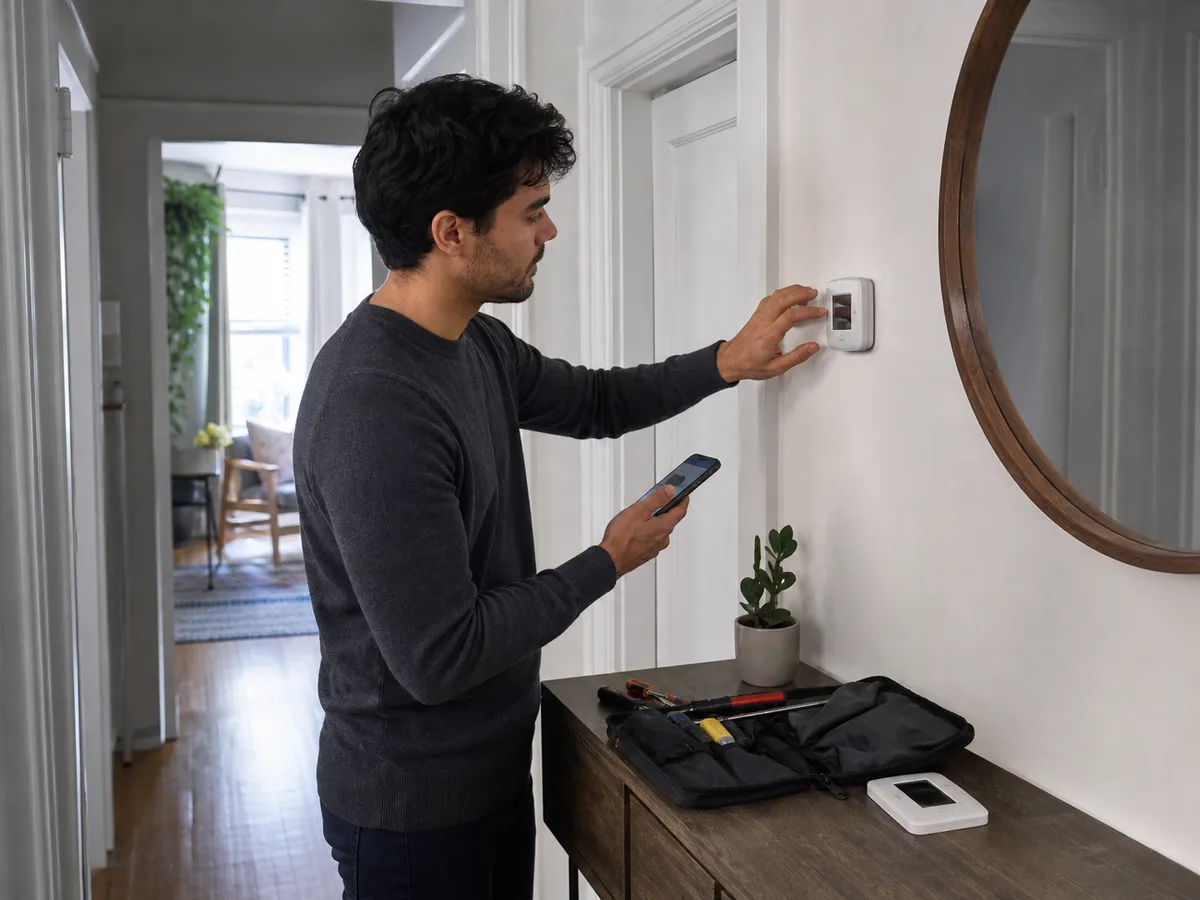
The apartment is comfortable in the afternoon but wastes energy heating or cooling an empty space during the workday. You want a schedule without creating a maintenance problem.
Our take: A smart thermostat makes sense only when the lease permits it and the HVAC wiring is compatible. Portable room controls, radiator valves, or better scheduling on the existing thermostat may be more appropriate in many rentals.
Quick Picks by Household Need
Use these product types as a starting point. The right model still depends on measurements, compatibility, and the current details on the retailer or manufacturer page.
Best conventional-system path
Compatible low-voltage smart thermostat
- Best for
- Approved rentals with documented wiring
- Tradeoff
- Installation and restoration require care
Best no-replacement option
Smart AC controller
- Best for
- Mini-split or window units with supported infrared remotes
- Tradeoff
- Compatibility and state detection vary
Best simplest improvement
Programmable existing thermostat
- Best for
- Renters who only need reliable schedules
- Tradeoff
- Fewer remote and occupancy features
Comparison at a Glance
| Option | Best fit | Main compromise |
|---|---|---|
| Compatible low-voltage smart thermostat | Approved rentals with documented wiring | Installation and restoration require care |
| Smart AC controller | Mini-split or window units with supported infrared remotes | Compatibility and state detection vary |
| Programmable existing thermostat | Renters who only need reliable schedules | Fewer remote and occupancy features |
What to Look For
HVAC type
Low-voltage central systems, line-voltage heaters, mini-splits, and building-controlled systems need different solutions.
Wiring and power
Do not assume wire colors identify function. Use system documentation or a qualified professional.
Lease approval
Changing building equipment can affect maintenance access, damage responsibility, and move-out requirements.
Schedule value
Estimate whether occupancy patterns are consistent enough for automation to provide meaningful comfort or energy benefit.
Buying Advice for Real Homes
Photograph the existing thermostat, model label, wire terminals, and HVAC equipment information without disconnecting anything. Those details are more useful than choosing a product by appearance.
Ask the property manager who may install it and how the original thermostat must be stored and restored. Keep written approval with move-in records.
Set conservative schedules first. Extreme temperature setbacks can create long recovery periods, humidity problems, or discomfort for pets and plants.
Mistakes Worth Avoiding
- Assuming all apartments use low-voltage wiring
- Removing the original unit without permission
- Treating wire color as a definitive terminal map
- Using aggressive schedules that ignore humidity and occupants
How We Build This Guidance
We map the purchase to realistic rooms and routines, review the product category’s published specifications, identify compatibility and maintenance questions, and explain tradeoffs without manufacturing scores or personal experience. Product availability and features change, so verify current details before buying.
Frequently Asked Questions
Can a smart thermostat work without a C-wire?
Some models use alternate power methods, but compatibility depends on the HVAC system. Follow the manufacturer’s wiring guidance.
Will it reduce every energy bill?
Savings depend on climate, building insulation, HVAC efficiency, rates, and whether the current schedule is already efficient.
What about radiators or mini-splits?
They usually need product-specific controls rather than a conventional central-HVAC thermostat.