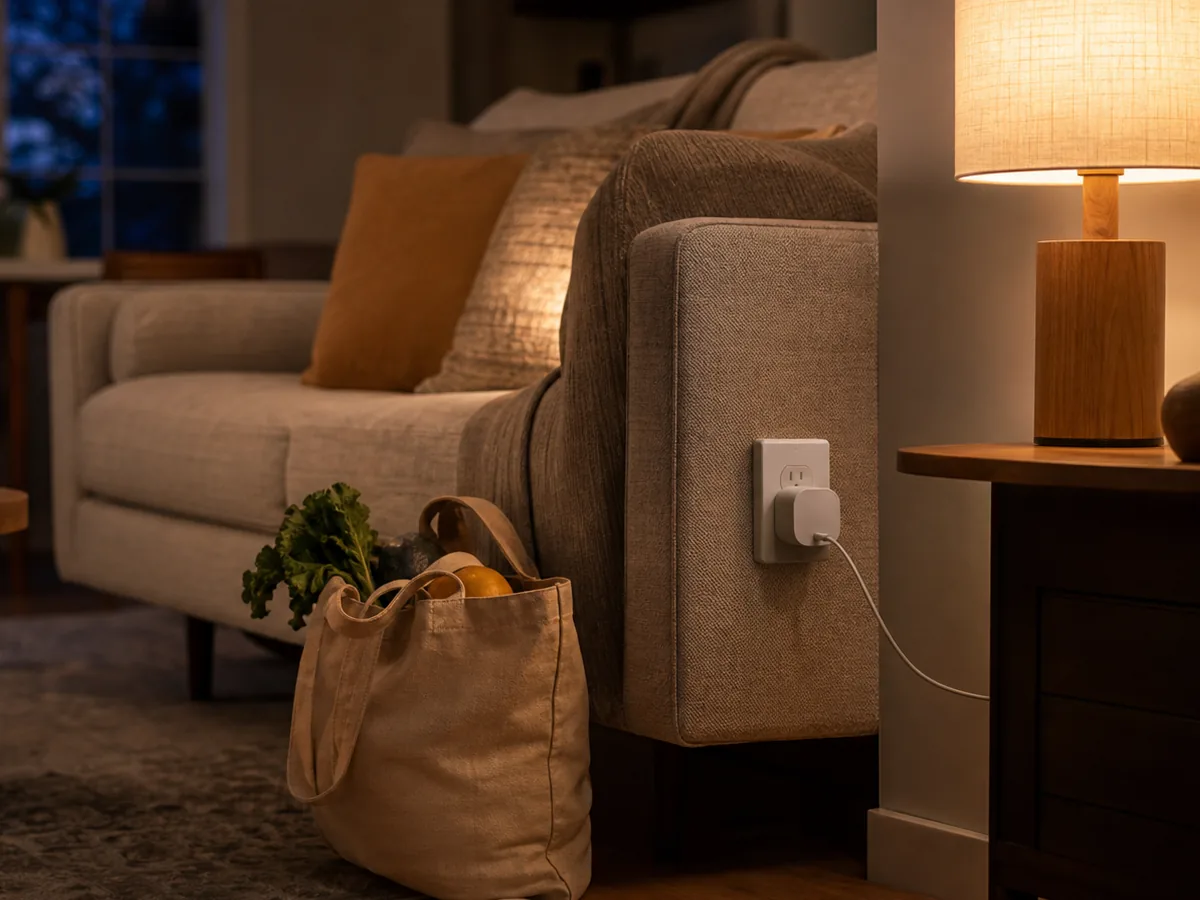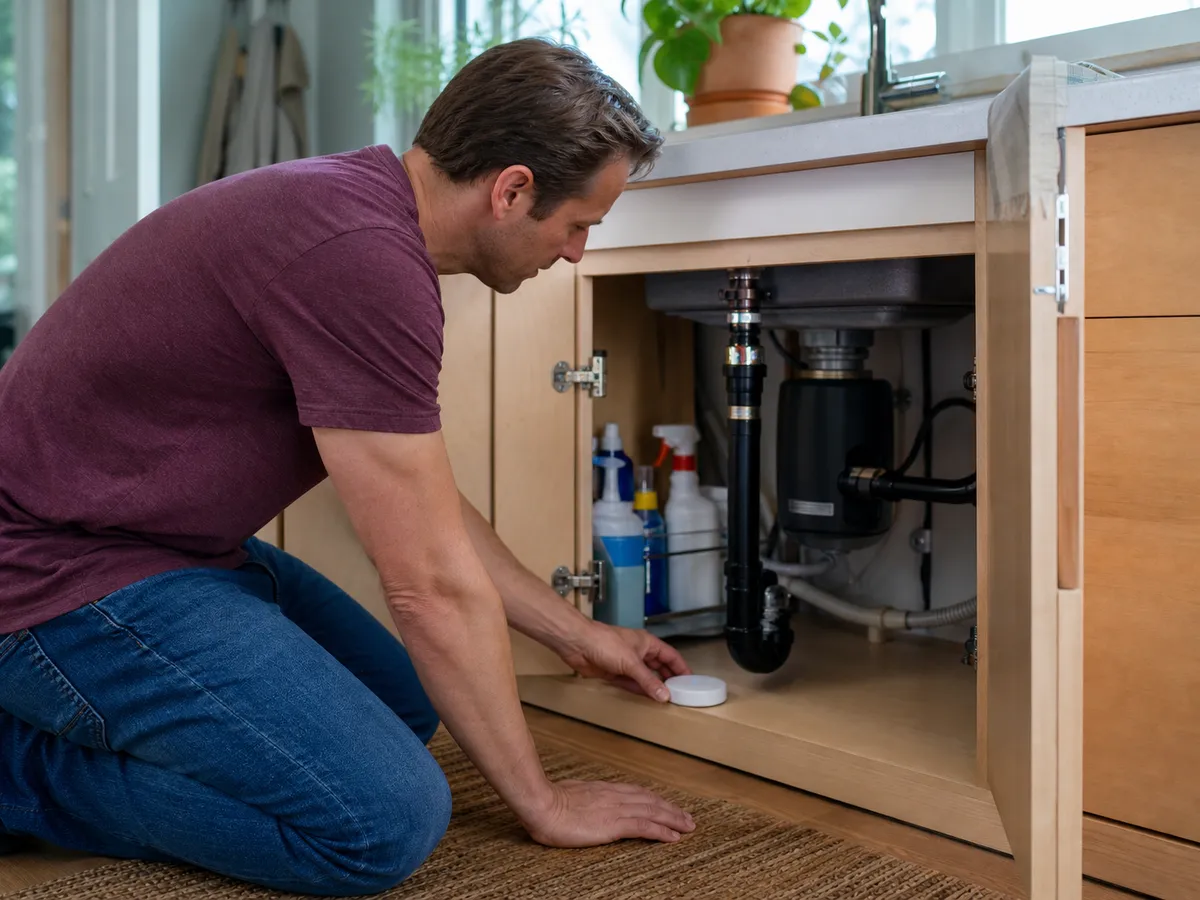
A slow dishwasher connection or an aging water-heater pan can stay unnoticed until flooring swells or a downstairs neighbor sees a stain.
Our take: Start with the highest-consequence locations: water heater, washing machine, dishwasher, under-sink plumbing, and HVAC drain areas. Choose sensors you can hear locally and that can notify you when you are away.
Quick Picks by Household Need
Use these product types as a starting point. The right model still depends on measurements, compatibility, and the current details on the retailer or manufacturer page.
Best basic coverage
Standalone audible sensor
- Best for
- Small homes where someone is usually nearby
- Tradeoff
- Cannot warn you while the home is empty
Best remote alerts
Connected sensor with hub or Wi-Fi
- Best for
- Travel and second-floor leak locations
- Tradeoff
- Depends on power, network, app, or cloud service
Best wide-area detection
Sensor with extension cable
- Best for
- Water heaters, laundry areas, and long cabinet runs
- Tradeoff
- Requires more careful cable placement
Comparison at a Glance
| Option | Best fit | Main compromise |
|---|---|---|
| Standalone audible sensor | Small homes where someone is usually nearby | Cannot warn you while the home is empty |
| Connected sensor with hub or Wi-Fi | Travel and second-floor leak locations | Depends on power, network, app, or cloud service |
| Sensor with extension cable | Water heaters, laundry areas, and long cabinet runs | Requires more careful cable placement |
What to Look For
Detection footprint
Point sensors detect water in one spot; cables cover a line where leaks may travel unpredictably.
Alert paths
Use both a local siren and remote notification when possible, then test that household phones actually receive alerts.
Power status
Low-battery warnings must be clear. Put recurring battery checks on the same schedule as smoke-alarm maintenance.
Placement access
The sensor should touch the likely flow path without being crushed, kicked, or made impossible to retrieve.
Buying Advice for Real Homes
Look for the lowest point where water would collect rather than placing the sensor beside the appliance at random. A dry paper towel and a small level can help reveal cabinet slopes and drain paths.
Run a controlled test with a damp cloth, not a poured puddle. Confirm the local sound, phone alert, household sharing, and reset process before trusting the sensor.
A detector is not a repair. Replace damaged hoses, use appropriate drain pans, and have questionable plumbing inspected; notification only reduces the time before someone responds.
Mistakes Worth Avoiding
- Placing the sensor uphill from the likely leak
- Muting phone notifications after setup
- Forgetting battery checks
- Treating detection as a substitute for maintenance
How We Build This Guidance
We map the purchase to realistic rooms and routines, review the product category’s published specifications, identify compatibility and maintenance questions, and explain tradeoffs without manufacturing scores or personal experience. Product availability and features change, so verify current details before buying.
Frequently Asked Questions
How many leak sensors does a home need?
Cover the highest-consequence water sources first, then expand based on layout, history, and whether areas are routinely inspected.
Do I need automatic water shutoff?
Not always. Shutoff systems can limit damage but require compatible plumbing and careful installation; many renters begin with alert-only sensors.
Can sensors sit inside a metal cabinet?
They can, but the cabinet may weaken wireless signal. Test alerts with the doors closed.